Understanding the Basics of Korean Skincare
Korean skincare, or K-Beauty, has become a global sensation thanks to its focus on healthy, glowing skin through gentle and effective steps. Unlike quick-fix routines, Korean skincare emphasizes prevention, hydration, and protection with carefully layered products. If you’re new to this world, starting simple is key.
A typical K-beauty routine involves cleansing, treating, moisturizing, and protecting your skin. But before diving into multiple products, it’s important to understand your skin type and concerns so you can choose the right essentials.
Step 1: Know Your Skin Type and Concerns
Identifying your skin type helps you pick products that support your skin’s natural balance. Generally, skin types are:
- Dry: Feels tight, flaky, or rough; needs extra hydration.
- Oily: Shiny with enlarged pores and prone to breakouts.
- Combination: Oily in the T-zone (forehead, nose, chin) and dry elsewhere.
- Sensitive: Easily irritated, redness, or reacts to harsh products.
Common skin concerns include acne, dullness, pigmentation, and fine lines. Knowing what you want to improve will guide your product choices.
Step 2: Start with a Simple 3-Step Routine
For beginners, a straightforward routine is best to avoid overwhelming your skin or wallet. Here’s a simple daily routine to build on:
- Cleanser: Choose a gentle cleanser suited for your skin type. Korean cleansers often come in two steps: an oil-based cleanser to remove makeup and sunscreen, followed by a water-based cleanser to clean sweat and dirt.
- Moisturizer: Hydration is essential in K-Beauty. Pick a lightweight moisturizer if you have oily skin or a richer cream for dry skin. Look for ingredients like hyaluronic acid and ceramides that lock in moisture.
- Sunscreen: Sun protection is non-negotiable in Korean skincare. Use a broad-spectrum sunscreen with at least SPF 30 every morning, even on cloudy days.
Step 3: Add Targeted Treatments Gradually
Once your skin adjusts to the basic routine, you can introduce treatments for specific concerns:
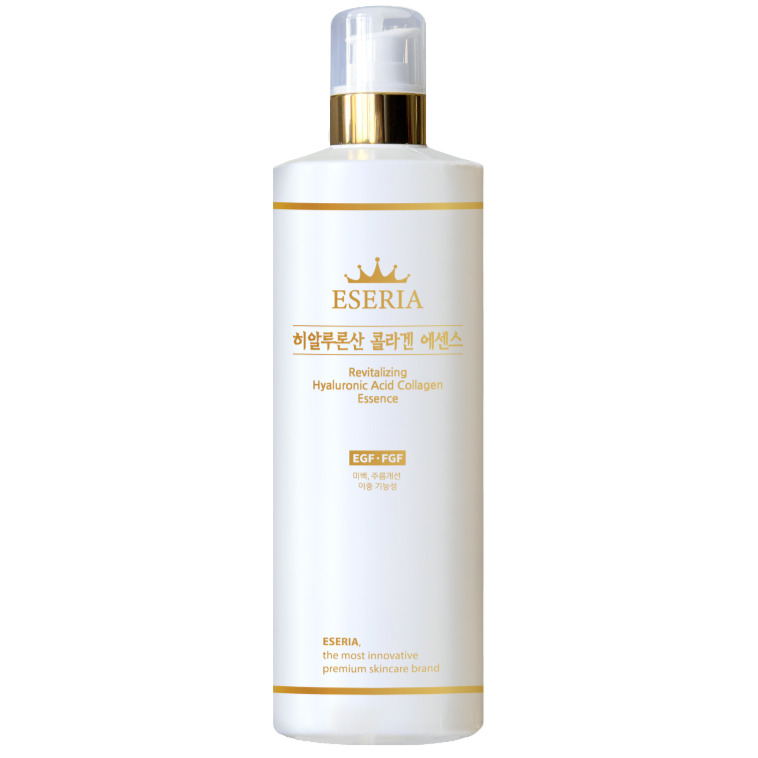
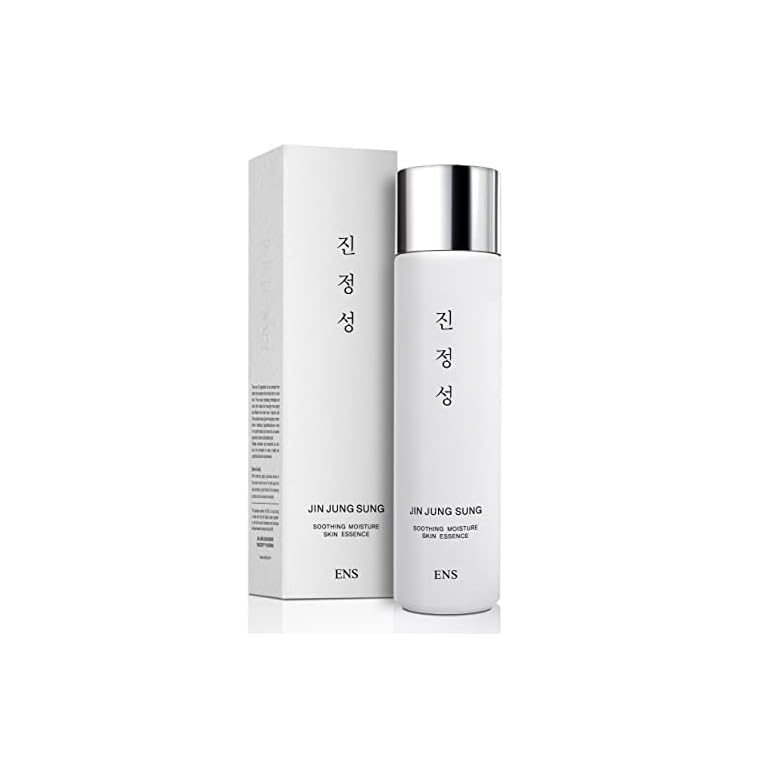
- Essences or serums: Lightweight, nutrient-rich liquids that penetrate deeper than moisturizers. Look for ingredients like niacinamide for brightening, centella asiatica for soothing, or tea tree for acne-prone skin.
- Exfoliants: Use chemical exfoliants (AHAs or BHAs) 1-2 times per week to gently remove dead skin cells and promote cell turnover. Avoid physical scrubs at the start as they can irritate.
- Sheet masks: Korean sheet masks are a popular way to give your skin an extra boost of hydration and nutrients. Use 1-2 times weekly as a relaxing treat.
Step 4: Shopping Tips for Authentic Korean Skincare Products
When buying K-Beauty products, authenticity matters. Here are practical tips for beginners:
- Buy from trusted retailers: Look for official brand websites, reputable e-commerce platforms, or well-known beauty stores that stock genuine Korean brands.
- Check ingredient lists: Korean products usually list ingredients in English or Korean. Look for recognizable beneficial ingredients and avoid harsh chemicals if you have sensitive skin.
- Start with mini sizes or sample kits: Many brands offer trial versions, which allow you to test products without investing heavily upfront.
- Read reviews and watch tutorials: User experiences on YouTube and beauty blogs can give insights into product performance and suitability.
Step 5: Tips for Maintaining Consistency and Patience
Building a new skincare routine takes time and consistency. Here are some tips to help you stay on track:
- Introduce one product at a time: This helps you identify any reactions and understand what works.
- Be gentle with your skin: Avoid over-exfoliating or harsh ingredients that can damage your skin barrier.
- Stick to your routine: Results from Korean skincare typically appear after several weeks, so patience is key.
- Adjust seasonally: Your skin might need richer products in winter and lighter formulas in summer.
Frequently Asked Questions (FAQ)
How many steps should a beginner’s Korean skincare routine have?
Start with 3 to 5 steps: cleansing, moisturizing, sunscreen, and optionally add a serum or essence once comfortable.
Can I skip double cleansing if I don’t wear makeup?
If you don’t wear makeup or heavy sunscreen, a single gentle water-based cleanser can be enough, but double cleansing is recommended for thorough cleansing.
What ingredients are best for sensitive skin?
Look for soothing ingredients like centella asiatica, allantoin, panthenol, and avoid fragrances or alcohol-based products.
How often should I use a sheet mask?
Sheet masks can be used 1-2 times a week to boost hydration and nourishment without overwhelming the skin.
Is Korean sunscreen different from Western brands?
Korean sunscreens often have lightweight, non-greasy formulas with additional skin benefits like hydration and antioxidants, making them comfortable for daily wear.





Discover more Made in Korea guides
Explore practical K-Beauty, K-Food, K-POP, K-Drama and Korean lifestyle content.
Explore e-Made in Korea